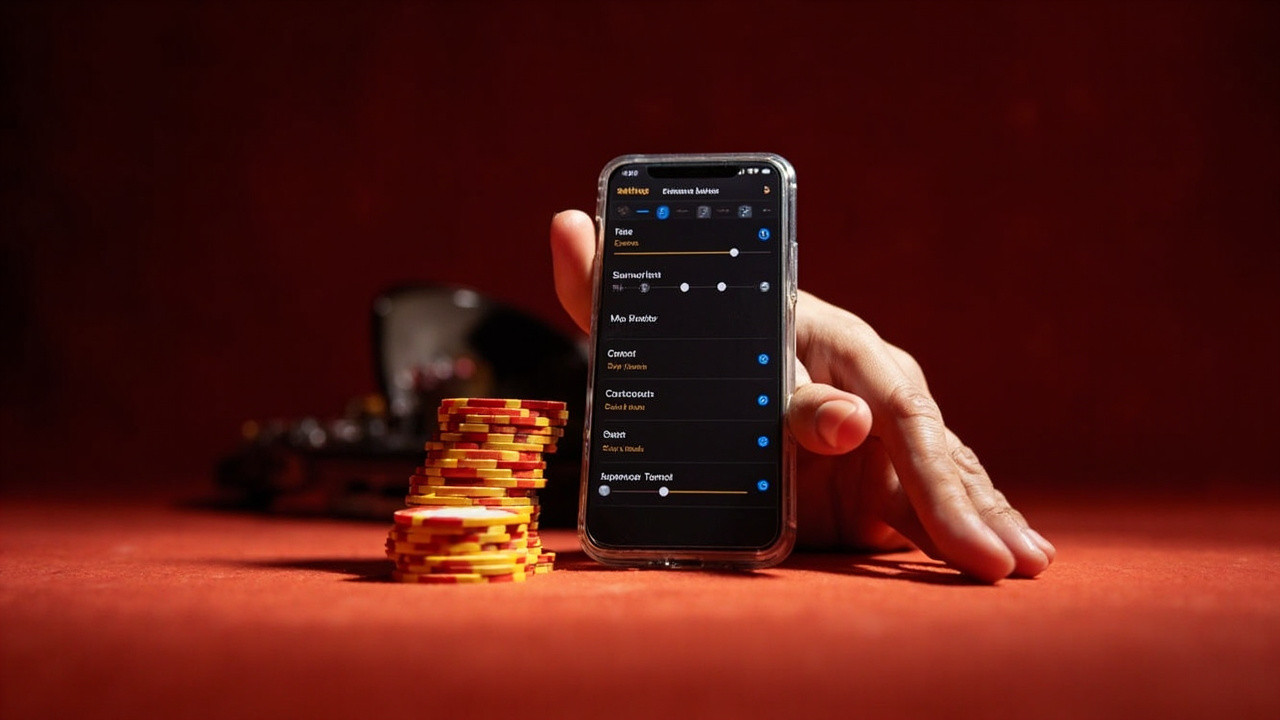
Pulling up a chair at the pokies isn’t about chasing a miracle; it’s about keeping your head clear when the reels start spinning. I’ve spent more than four decades running tables and pit operations across four regions, and the same discipline that keeps a shift orderly applies here: set your limits before you sit down, watch the clock, and treat every session like a measured night out rather than a race. A proper reality check is simply a habit that keeps the fun honest, and it starts with asking yourself what you’re actually trying to get out of the machine before you tap that first credit.
What a Reality Check Actually Does at the Machine
A reality check isn’t some gimmick slapped on to make a provider look responsible; it’s the built-in pause that reminds you how long you’ve been playing and how much you’ve wagered, so you can decide whether to keep going or walk away. On the floor, I’ve watched seasoned players use these prompts the same way a dealer calls a colour-up between shoes – it’s a reset, not a lecture. When you’re picking a site or app, look for session timers that actually interrupt play rather than quietly logging minutes in the background, and check whether the prompt lets you adjust or snooze it without burying the option three menus deep. If the interface hides the timer or makes it feel like an afterthought, that’s a fair signal the operator’s priorities sit elsewhere. You’ll also want to see whether the check shows your net result in plain language, not just a spinning credit figure that swings with every payline. A good prompt tells you what you’ve spent, what you’ve taken back, and how many spins you’ve run, all in one glance. That kind of clarity matters because a machine can feel completely different after a quiet hour than it did when you first sat down, and the numbers are the only honest record you’ve got. https://royalreelsfree10.com/ Fast Payout Pokies: What Australian Players
| Feature | What to look for | Why it matters |
|---|---|---|
| Session timer | Interrupts play at a set interval | Keeps time visible instead of slipping away |
| Wagering summary | Shows total staked and returned | Gives a clear picture of actual cost |
| Adjustable limits | Lets you change or pause the check | Fits different session lengths without forcing a quit |
| Plain-language result | Displays net outcome, not just credits | Helps you read the session honestly |
How to Weigh the Questions Before You Play
The real decision comes down to a short list of questions you should answer before you hand over a card or log in from the couch. First, what’s the actual session length you’re comfortable with, and does the timer match that instead of defaulting to something too long or too short? Second, do you know the contribution rules for any promotion you’re using, because a reality check that ignores bonus terms is only showing half the picture? Third, are the limits set in a currency and denomination that actually line up with how you play, so the numbers mean something to you rather than sitting in some abstract credit range? I’ve trained dealers to read a table the same way: you don’t wait until the shoe’s finished to notice the pace has shifted, you watch the rhythm from the first hand. The same goes for pokies – if the check only kicks in after you’ve already burned through a quiet arvo, it’s doing its job too late. A solid setup lets you set a time or spend threshold that feels realistic for a single sitting, reminds you in a way you can actually act on, and doesn’t nag you with vague messages that disappear before you’ve decided what to do next.
A Beginner’s Walkthrough for Your First Session
If you’re completely new to this, keep it simple and treat the first few spins like a practice round rather than a proper night out. Here’s how I’d walk a mate through it. Step one: pick a session length that genuinely fits your evening, not the longest option on the screen – thirty or forty-five minutes is plenty to get a feel for the machine without losing track of the clock. Step two: set the reality check to that length before you start, and make sure it actually pops up on top of the game rather than hiding in a corner you’ll miss. Step three: decide on a spend figure you’re happy to treat as the cost of entertainment for that sitting, and stick to it even if the reels look kind of friendly halfway through. Step four: when the prompt lands, read the summary properly – look at what you’ve staked and what’s come back, not just the current credit sitting on the screen. Step five: decide in that moment whether to keep going, lower the stake, or pack it in, then actually follow through instead of letting the machine coax you into another twenty minutes by habit. The point isn’t to ruin the fun; it’s to make sure the fun stays yours instead of slipping past you while you’re focused on the paylines.
Where the Fine Print Meets the Reality Check
The prompt only works if the rest of the setup is honest about what it’s measuring, and that means checking how promotions, payments, and account rules interact with your session limits. A welcome offer might look generous on the surface, but if the wagering requirements are stacked high or certain games contribute only a fraction, your reality check could be tracking a balance that doesn’t reflect the real shape of the deal. I’ve seen plenty of shift disputes come down to people reading the headline and missing the contribution table, and the same care applies here – you want to know exactly what counts, what doesn’t, and where the caps sit before you treat a bonus as part of your session plan. For anyone comparing payout timing alongside session habits, it’s worth reading up on fast payout pokies before you commit, because how quickly you can actually move money out often tells you more about an operator’s day-to-day reliability than a flashy welcome screen ever will. You should also check whether the account is set up in a currency that matches what you actually use, whether registration asks for the basics without dragging you through a maze, and whether mobile play keeps the same timer and summary you’d get at a desktop – because a reality check that changes depending on how you log in isn’t really a consistent check at all. Loyalty points and recurring promos can be fine if they’re laid out plainly, but they shouldn’t be the reason you stretch a session past the limit you set at the start.

There’s no magic in a timer or a summary screen – just a clearer view of what’s actually happening while you’re sitting there. If you set a session length that fits your evening, read the numbers when the prompt lands, and keep your spend tied to the cost of a night out rather than some open-ended chase, you’re already playing with your eyes open. The machines will do what they do; your job is to know when you’ve had enough and to leave while the evening still feels like yours.